
Regain Mobility with Joint Replacement Surgeries
Joint replacement surgery is a safe and effective procedure that relieves chronic joint pain and restores smooth movement when joints are severely damaged due to arthritis, injury, or wear and tear. During the surgery, the worn-out parts of the joint are replaced with advanced artificial implants designed to function like a natural joint, improving stability and mobility. With modern, precision-based techniques and faster recovery methods, joint replacement—especially knee and hip replacement—helps patients return to an active, comfortable, and independent life.
At Spire Clinic, we provide comprehensive and patient-focused joint replacement care, combining surgical expertise with advanced technology and personalized rehabilitation. Every patient undergoes a thorough evaluation to determine the most suitable treatment — whether it is total or partial joint replacement, manual or technology-assisted procedures.
Combined Experience Metrics
Combined Experience Metrics
Our Orthopaedic Specialists
One of the core strengths of Spire Clinic is our multi surgeon collaborative model. All joint replacement cases are evaluated jointly by Dr. Deepak, Dr. Harish & Dr. Vinit. This ensures comprehensive assessment from multiple expert perspectives, accurate diagnosis and surgical planning and reduced chances of unnecessary surgery.



Dr. Vinit Oswal
MBBS,MS Ortho,FIJR, FASM, Trauma,Joint Replacement and Sports medicine Specialist
Joint Replacement Procedures
Knee Replacement
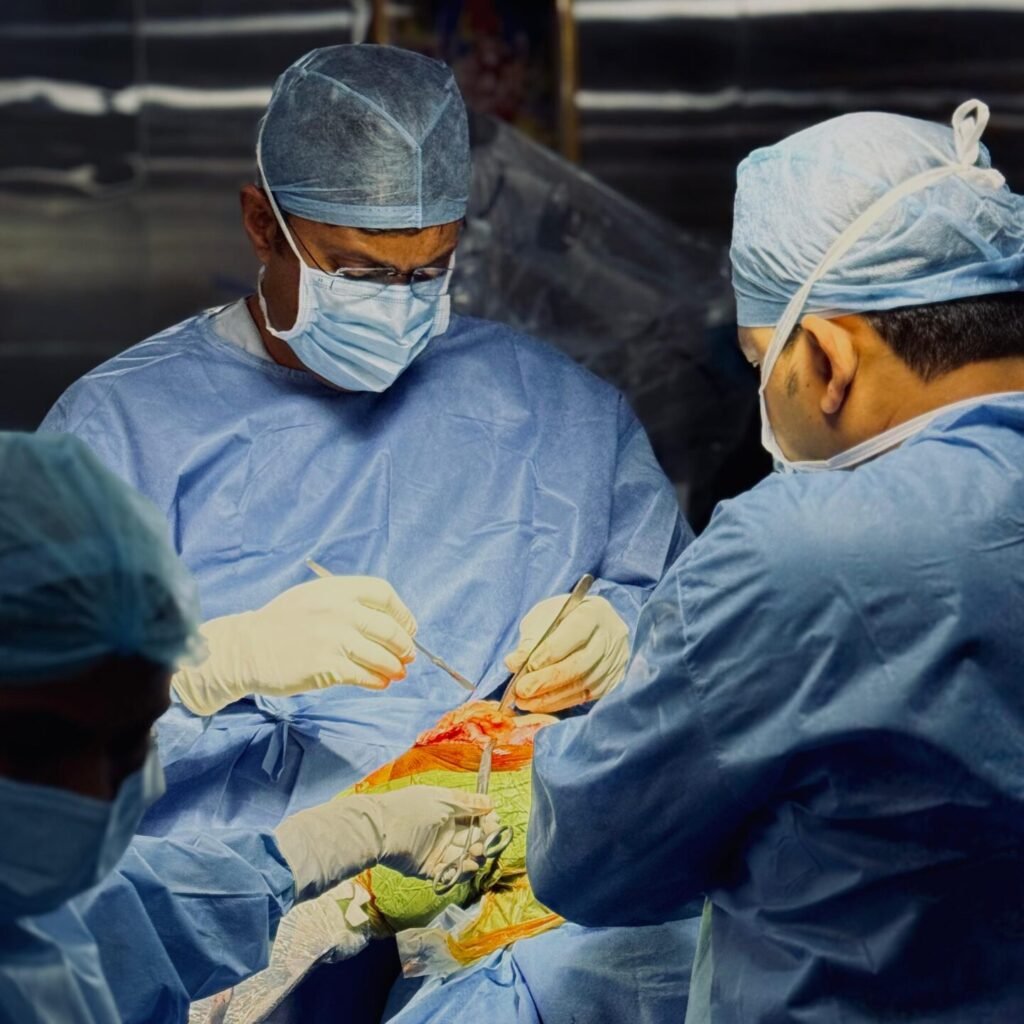
Knee replacement is a surgical procedure that removes damaged cartilage and bone from the knee joint and replaces them with artificial implants. It is done to relieve severe pain, correct deformity, and restore smooth, stable knee movement when non-surgical treatments no longer help.
Who Needs It?
Severe knee pain during walking or daily activities
Advanced osteoarthritis or rheumatoid arthritis
Knee stiffness, swelling, or deformity
Pain even at rest
No relief from medicines, injections, or physiotherapy
Benefits:
Long-term pain relief
Improved walking and mobility
Better joint stability and alignment
Ability to return to normal daily life
Durable, long-lasting implants
Total Knee Replacement (TKR)
Total Knee Replacement involves replacing all the worn-out surfaces of the knee joint — the thigh bone, shin bone, and sometimes the kneecap. It is the most common solution for advanced arthritis affecting the entire knee.
Who Needs It?
Arthritis affecting the whole knee
Severe cartilage loss
Persistent pain and stiffness
Major limitation in mobility
Benefits:
Smaller incision
Faster recovery
More natural knee feel
Less blood loss
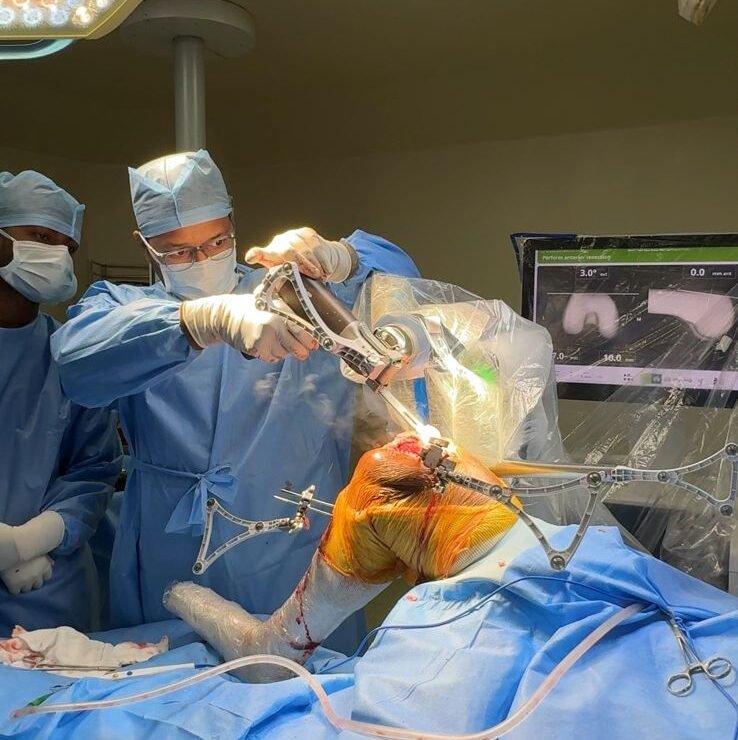
Robotic Total Knee Replacement
Robotic TKR uses advanced robotic technology and 3D imaging to assist the surgeon in precise implant placement and alignment. It allows personalized surgical planning for better joint balance.
Who Needs It?
Patients seeking high precision surgery
Those with complex knee alignment issues
Individuals wanting faster recovery
Benefits:
Greater implant accuracy
Minimal bone removal
Less pain and faster recovery
Improved implant longevity
Manual Total Knee Replacement
In manual TKR, the surgeon performs the procedure using traditional instruments and clinical expertise to align and place the implants accurately. It is a well-established and reliable method with proven outcomes.
Who Needs It?
Patients suitable for standard knee replacement
Those with advanced arthritis
When robotic or navigation systems are not required
Benefits:
Proven, time-tested technique
Effective pain relief
Excellent long-term results
Computer-Navigated Total Knee Replacement
Computer-Navigated Total Knee Replacement technique uses computer navigation systems to guide the surgeon during surgery, providing real-time data to improve alignment and positioning of the knee implant.
Who Needs It?
Patients needing improved alignment accuracy
Those with deformities or unusual anatomy
Benefits:
Enhanced surgical precision
Better joint alignment
Improved long-term performance of implants
Partial Knee Replacement (PKR)
Partial Knee Replacement replaces only the damaged part of the knee joint while preserving healthy bone and ligaments. This leads to more natural knee movement.
Who Needs It?
Arthritis limited to one knee compartment
Stable ligaments
Early to moderate joint damage
Benefits:
Smaller incision
Faster recovery
More natural knee feel
Less blood loss
Robotic Partial Knee Replacement
Robotic assistance allows highly precise removal of only the damaged area, preserving healthy structures and ensuring accurate implant placement.
Benefits:
Greater accuracy
Faster healing
Better joint balance
Navigation-Assisted Partial Knee Replacement
Computer navigation guides implant placement during partial knee surgery to improve alignment and joint balance.
Benefits:
Improved positioning
Better long-term results
Hip Replacement
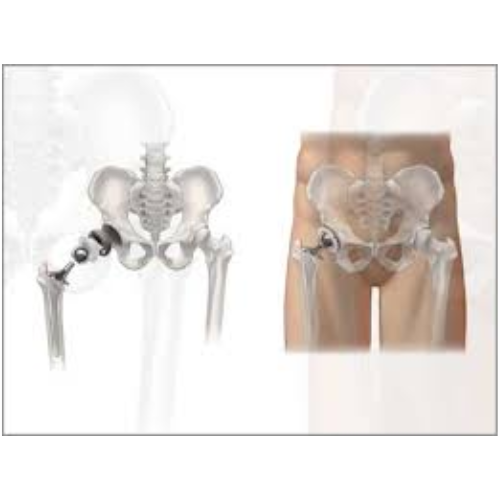
Hip replacement surgery is one of the most successful orthopaedic procedures for relieving long-standing hip pain and improving joint function. It is commonly performed for severe arthritis, hip fractures, or joint damage that affects walking, sitting, or daily activities. The artificial hip joint is designed to provide smooth, stable movement and closely mimic the natural ball-and-socket function of the hip.
Who Needs It?
Severe hip arthritis
Hip fractures
Chronic hip pain and stiffness
Difficulty walking or sitting
Benefits:
Pain-free mobility
Better flexibility
Improved quality of life
Total Hip Replacement
Total Hip Replacement is a surgical procedure in which both the ball (femoral head) and the socket (acetabulum) of the hip joint are replaced with artificial implants. It is performed to relieve severe hip pain, correct joint damage, and restore smooth, stable movement when the natural joint is worn out or diseased.
Who Needs It?
Patients with advanced hip arthritis
Severe hip pain that limits walking, sitting, or daily activities
Joint damage due to injury or long-term wear and tear
Stiffness and reduced range of motion in the hip
No relief from medications, injections, or physiotherapy
Benefits:
Significant and long-lasting pain relief
Improved hip mobility and flexibility
Better balance and walking ability
Restoration of joint alignment and stability
Enhanced overall quality of life and independence
Hemi Hip Replacement (Hemiarthroplasty)
Hemiarthroplasty is a type of hip replacement surgery in which only the femoral head (the ball of the hip joint) is replaced with an artificial implant, while the natural socket is preserved. It is most commonly performed for specific types of hip fractures, especially in elderly patients, where the ball of the joint is damaged but the socket remains healthy.
Who Needs It?
Elderly patients with hip fractures involving the femoral neck
When the hip socket is healthy and does not need replacement
Patients who require early mobility after a fracture
Individuals where a shorter surgery is safer due to medical conditions
Benefits:
Effective relief from hip pain after fracture
Shorter surgical time compared to total hip replacement
Reduced risk of complications in medically fragile patients
Allows early standing and walking
Restores basic mobility and independence
Shoulder Replacement
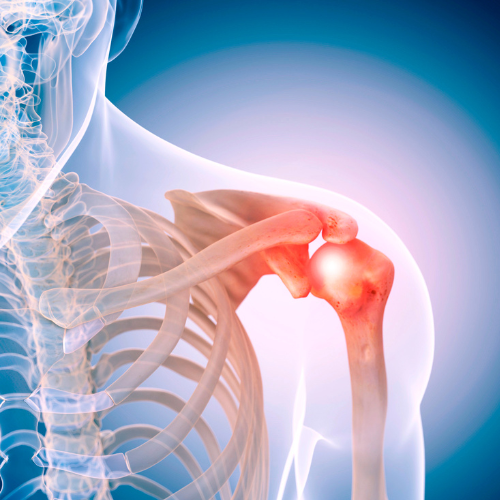
Shoulder replacement surgery involves replacing the damaged parts of the shoulder joint with artificial components to relieve pain and restore smooth arm movement. It is typically performed when arthritis, injury, or severe joint degeneration affects the ball-and-socket joint of the shoulder.
Who Needs It?
Severe shoulder arthritis
Chronic shoulder pain not relieved by medications or physiotherapy
Rotator cuff damage with joint degeneration
Fractures or trauma affecting the shoulder joint
Difficulty lifting the arm or performing daily tasks
Benefits:
Significant pain relief
Improved shoulder movement and flexibility
Better strength and arm function
Ability to perform daily activities comfortably
Long-lasting joint stability
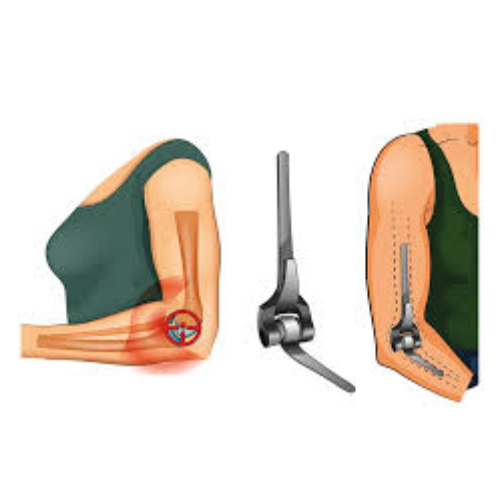
Elbow Replacement
Elbow replacement surgery involves replacing the damaged elbow joint with an artificial implant to relieve pain and restore joint function. It is usually recommended when arthritis, fractures, or joint damage severely limit elbow movement. It helps restore smoother joint motion, allowing patients to perform essential activities like eating, grooming, and dressing with greater ease. With proper rehabilitation and care, the artificial elbow joint can provide reliable pain relief and functional improvement for many years.
Who Needs It?
Advanced rheumatoid or osteoarthritis of the elbow
Severe elbow fractures that cannot be repaired
Chronic pain and stiffness
Loss of elbow movement affecting daily activities
Failed previous elbow surgeries
Benefits:
Relief from persistent elbow pain
Improved bending and straightening of the arm
Better ability to perform routine tasks
Enhanced joint stability
Improved quality of life
Why Choose Spire Clinic
Experienced Specialists
Multi Surgeon Collaboration
Minimally Invasive Procedures
Schedule A Consultation
Meet with our specialists to discuss your treatment options.
Patient Testimonials
Got Questions about Joint Replacement Surgery?
Our orthopedic specialist will evaluate your knee through X-rays, scans and a physical assessment. At Spire Clinic, we use advanced imaging and diagnostic tools to determine whether a total or partial knee replacement is best suited for your condition, ensuring maximum benefit and long term comfort.
A well performed knee replacement can last 15 20 years or more. At Spire Clinic, we use high quality implants and advanced surgical methods that enhance durability and long term performance of the replaced joint. Our patients normally don't face any recurring issues for 15 to 20 years.
Mild pain or stiffness is common after knee replacement surgery, especially during the initial recovery phase. However, at Spire Clinic, we use advanced pain management protocols and individualized physiotherapy programs to make your recovery as comfortable and quick as possible.
At Spire Clinic, we combine advanced robotic technology, expertise of 3 orthopedic surgeons and comprehensive post operative care to deliver the best outcomes. Our focus is on precision, safety, faster recovery and long term patient satisfaction.