
Advanced Arthroscopic Surgery at Spire Clinic
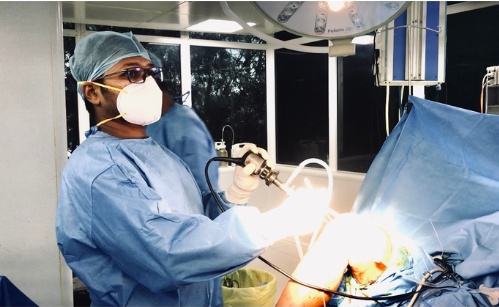
Arthroscopy is a minimally invasive surgical procedure used to diagnose and treat problems inside a joint. Instead of making large incisions, the surgeon inserts a thin instrument called an arthroscope, equipped with a tiny camera and light, through a small keyhole incision. This allows for a clear view of the joint’s internal structures on a screen and enables precise surgical intervention.
At Spire Clinic, our orthopaedic specialists perform arthroscopic procedures for joints like the knee, shoulder, ankle, hip and wrist using advanced equipment that ensures less pain, smaller scars and faster recovery.
Combined Experience Metrics
Combined Experience Metrics
Our Orthopedic Specialists
One of the core strengths of Spire Clinic is our multi surgeon collaborative model. All arthroscopy cases are evaluated jointly by Dr. Deepak, Dr. Harish & Dr. Vinit. This ensures comprehensive assessment from multiple expert perspectives, accurate diagnosis and surgical planning and reduced chances of unnecessary surgery.



Dr. Vinit Oswal
MBBS,MS Ortho,FIJR, FASM, Trauma,Joint Replacement and Sports medicine Specialist
Arthroscopic Procedures
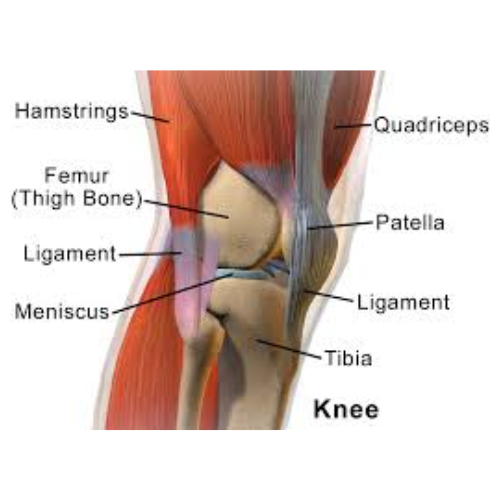
Knee Arthroscopy
A minimally invasive procedure used to diagnose and treat ligament tears, meniscus injuries, and cartilage damage in the knee. It helps restore stability, reduce pain, and enables faster recovery with smaller incisions.
ACL Tears
An ACL tear is a common knee ligament injury often caused by sudden twisting during sports. It leads to knee instability, swelling, and difficulty in movement, especially during running or pivoting.
Who Needs It?
Sudden knee twist injury during sports
Knee instability or “giving way”
Swelling and difficulty bearing weight
Young, active individuals wanting to return to sports
Benefits:
Restores knee stability
Prevents further joint damage
Small incisions with minimal tissue damage
Faster return to sports and activity
PCL Tears
A PCL tear occurs due to strong impact to the knee, such as in road accidents or falls. It can cause knee pain, swelling, and a feeling of looseness or instability while walking.
Who Needs It?
Dashboard injuries (road accidents)
Severe knee trauma
Persistent pain and instability
Benefits:
Restores knee strength and function
Prevents long-term joint wear
Minimally invasive approach
Meniscus Tears
A meniscus tear involves damage to the cushioning cartilage in the knee, usually from twisting movements or age-related wear. It can cause pain, locking, stiffness, and difficulty bending the knee.
Who Needs It?
Knee locking or catching
Pain while squatting or twisting
Sports-related knee injury
Degenerative tears in older adults
Benefits:
Preserves healthy meniscus tissue
Immediate relief from locking
Prevents arthritis progression
Cartilage Injuries
Cartilage injuries refer to damage to the smooth joint surface that helps bones glide easily. This can lead to pain, swelling, and joint stiffness, and may increase the risk of early arthritis if untreated.
Who Needs It?
Persistent knee pain without fracture
Athletes with joint surface damage
Early arthritis cases
Benefits:
Promotes cartilage healing
Reduces pain and swelling
Delays need for joint replacement
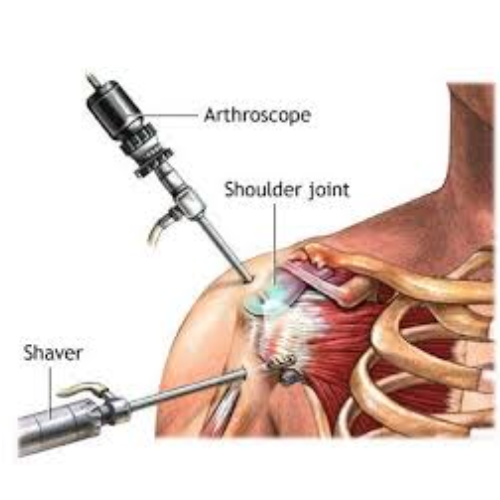
Shoulder Arthroscopy
Advanced keyhole surgery to treat rotator cuff tears, instability, frozen shoulder, and other shoulder conditions. It improves mobility, relieves pain, and restores shoulder strength with minimal tissue damage.
Rotator Cuff Tears
A rotator cuff tear involves damage to the tendons that help lift and rotate the shoulder. It causes pain, weakness, and difficulty raising the arm, especially during overhead activities or at night.
Who Needs It?
Individuals with persistent shoulder pain, especially while lifting the arm
Difficulty performing overhead activities like combing hair or reaching shelves
Shoulder weakness or night pain that disturbs sleep
Patients who did not improve with rest, medicines, or physiotherapy
Benefits:
Repairs the torn tendon and restores shoulder strength
Relieves chronic pain and improves arm movement
Prevents further tear progression and joint damage
Minimally invasive approach with smaller scars and faster healing
Shoulder Dislocation
Shoulder dislocation occurs when the upper arm bone slips out of the shoulder socket, often due to injury or sports trauma. It leads to severe pain, instability, and a higher risk of repeated dislocations if untreated.
Who Needs It?
Individuals whose shoulder has slipped out of place due to injury or sports trauma
People experiencing repeated shoulder dislocations or a feeling of looseness
Persistent shoulder pain, weakness, or fear of movement after a dislocation
Young athletes or active individuals with shoulder instability
Benefits:
Stabilizes the shoulder joint and prevents future dislocations
Restores normal shoulder function and confidence in movement
Reduces pain and improves strength
Minimally invasive repair with smaller incisions and quicker recovery
Frozen Shoulder (Adhesive Capsulitis)
Frozen shoulder is a condition where the shoulder joint becomes stiff, painful, and difficult to move. It develops gradually and can severely limit daily activities like dressing or reaching overhead.
Who Needs It?
Individuals with severe shoulder stiffness and difficulty moving the arm
Persistent shoulder pain lasting for months
Trouble performing daily activities like dressing or reaching overhead
Patients who did not improve with medications or physiotherapy
Benefits:
Releases tight joint capsule to improve mobility
Provides significant pain relief
Restores range of motion for daily activities
Minimally invasive procedure with faster recovery and less discomfort
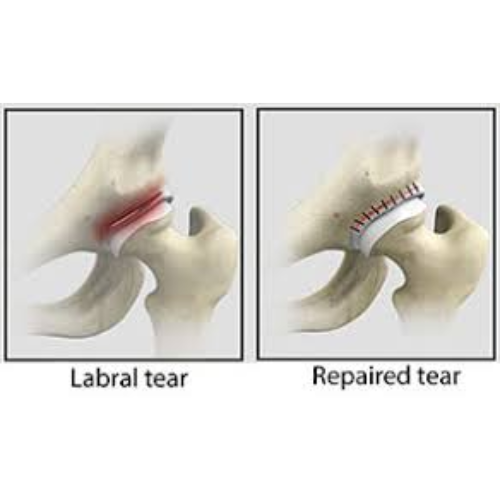
Hip Arthroscopy
A modern technique used to manage labral tears, femoroacetabular impingement (FAI) and cartilage problems of the hip. It preserves the natural joint, reduces pain and helps patients return to active lifestyles sooner.
Labral Tears (Hip)
A labral tear is damage to the ring of cartilage (labrum) that lines the hip socket and helps stabilize the joint. It can cause groin pain, clicking sensations and hip stiffness, especially during movement.
Who Needs It?
Persistent groin or hip pain without clear cause
Clicking, locking or catching sensation in the hip
Athletes with hip injuries
Pain while sitting, walking or twisting movements
Benefits:
Repairs or smoothens the torn labrum
Improves hip stability and joint function
Reduces pain and mechanical symptoms
Helps prevent early arthritis
Femoroacetabular Impingement (FAI)
Femoroacetabular Impingement (FAI) occurs when extra bone growth in the hip joint causes abnormal contact between the ball and socket. This leads to pain, stiffness, and gradual joint damage if left untreated.
Who Needs It?
Young adults with persistent groin pain
Pain during bending, squatting, or sports
Limited hip movement
Symptoms not improving with physiotherapy
Benefits:
Corrects the abnormal bone shape
Relieves pain and improves mobility
Prevents further joint damage
Preserves the natural hip joint
Cartilage Damage (Hip)
Cartilage damage in the hip involves injury to the smooth surface that allows the joint to move without friction. It can result in deep hip pain, stiffness and reduced mobility.
Who Needs It?
Chronic hip pain affecting daily activities
Stiffness or catching sensation in the joint
Early degenerative joint changes
Patients with persistent symptoms despite conservative care
Benefits:
Repairs or treats damaged cartilage
Reduces pain and swelling
Improves joint function
Slows progression toward arthritis
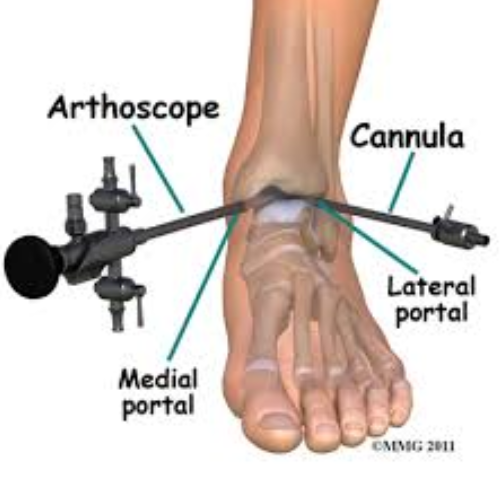
Ankle Arthroscopy
A minimally invasive solution for ankle impingement, cartilage defects and ligament injuries. It relieves chronic pain, improves joint movement and supports quicker return to daily activities and sports.
Cartilage Defects (Ankle)
Cartilage defects in the ankle refer to damage to the smooth joint surface that allows pain-free movement. These injuries often occur after ankle sprains or trauma and can lead to persistent pain, swelling and stiffness.
Who Needs It?
Ongoing ankle pain after an injury or sprain
Swelling and stiffness that does not improve
Pain while walking, running or climbing stairs
Athletes with joint surface injuries
Symptoms not relieved by rest or physiotherapy
Benefits:
Repairs or smoothens the damaged cartilage surface
Relieves pain and reduces swelling
Improves ankle movement and function
Helps prevent further joint wear and arthritis
Minimally invasive treatment with faster recovery compared to open surgery
Ankle Impingement
Ankle impingement occurs when soft tissue or bone spurs get trapped in the ankle joint, causing pain and restricted movement. It often develops after repeated ankle sprains or overuse, especially in active individuals.
Who Needs It?
Persistent pain at the front or back of the ankle
Difficulty bending the ankle fully
Pain while squatting, running, or climbing stairs
History of repeated ankle sprains
Symptoms not improving with rest or physiotherapy
Benefits:
Removes inflamed tissue or bone spurs causing blockage
Relieves pain and improves ankle flexibility
Restores smooth, pain-free joint movement
Prevents long-term joint damage
Minimally invasive procedure with quicker recovery
Ankle Ligament Injuries
Ankle ligament injuries involve stretching or tearing of the ligaments that support and stabilize the ankle joint, often due to sprains or sports trauma. When these ligaments don’t heal properly, it can lead to chronic pain and repeated ankle instability.
Who Needs It?
Frequent ankle sprains or “giving way” sensation
Persistent ankle pain or swelling
Feeling of weakness or instability while walking
Difficulty returning to sports or active lifestyle
Symptoms not improving with braces, rest or physiotherapy
Benefits:
Repairs and tightens damaged ligaments
Restores ankle stability and balance
Reduces risk of future sprains
Improves confidence in walking and sports activities
Minimally invasive treatment with faster recovery
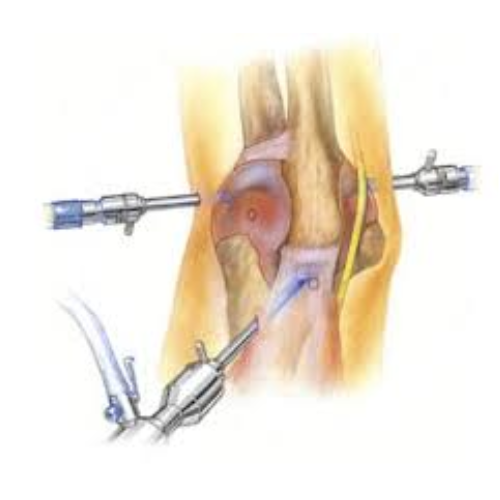
Elbow Arthroscopy
Elbow Arthroscopy is a keyhole surgery for conditions like tennis elbow, loose bodies and early arthritis. It reduces stiffness, relieves pain and restores smooth elbow motion with a faster rehabilitation process.
Tennis Elbow
Tennis elbow is a condition caused by overuse of the forearm muscles, leading to pain and tenderness on the outer side of the elbow. It can affect anyone who performs repetitive gripping, lifting or wrist movements, not just athletes.
Who Needs It?
Persistent outer elbow pain lasting for months
Pain while gripping objects, shaking hands or lifting items
Weak grip strength
Symptoms not improving with rest, medicines, braces or physiotherapy
Benefits:
Removes damaged tendon tissue causing pain
Promotes proper healing of the tendon
Restores strength and function of the arm
Provides long-term pain relief
Elbow Arthritis
Elbow arthritis occurs when the joint cartilage wears down, leading to pain, stiffness and reduced movement. It may develop due to aging, previous injuries or long-term overuse of the joint.
Who Needs It?
Persistent elbow pain and stiffness
Difficulty bending or straightening the arm
Swelling or grinding sensation in the joint
Reduced ability to perform daily tasks
Symptoms not improving with medication or physiotherapy
Benefits:
Removes bone spurs and inflamed tissue
Improves joint movement and flexibility
Reduces pain and swelling
Enhances overall arm function
Minimally invasive procedure with quicker recovery compared to open surgery
Loose Bodies in the Elbow
Loose bodies are small fragments of bone or cartilage that float inside the elbow joint, usually due to injury, arthritis or wear and tear. They can cause pain, locking and sudden restriction of movement.
Who Needs It?
Elbow locking or catching sensation
Sudden pain during movement
Reduced range of motion
History of elbow injury or arthritis
Symptoms not improving with non-surgical treatment
Benefits:
Removes loose fragments causing blockage
Relieves pain and joint irritation
Restores smooth elbow movement
Improves flexibility and daily function
Minimally invasive procedure with faster recovery
Why Choose Spire Clinic
Experienced Specialists
Multi Surgeon Collaboration
Minimally Invasive Procedures
Schedule A Consultation
Meet with our specialists to discuss your treatment options
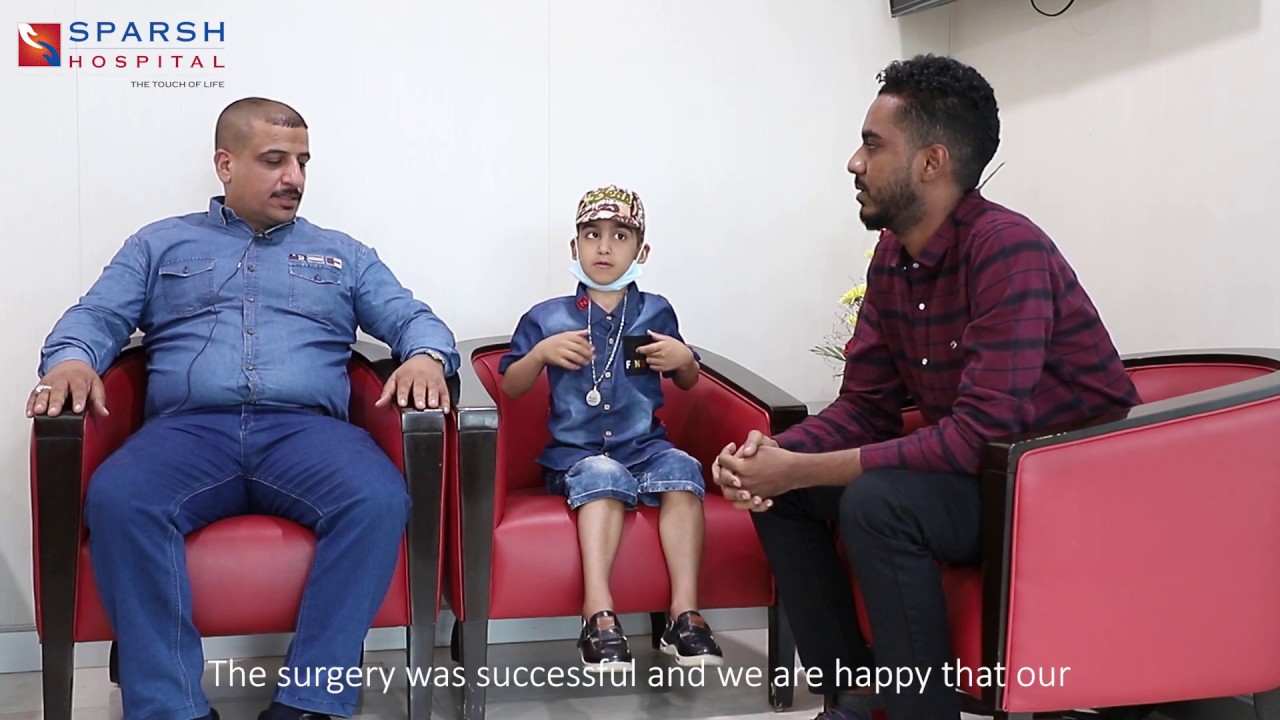
Patient Testimonials
Playlist
1:40
0:46
2:33
Got Questions About Arthroscopy?
At Spire Clinic, our specialists perform arthroscopic surgery on multiple joints including the knee, shoulder, hip, ankle and elbow. Common procedures include ACL/PCL reconstruction, rotator cuff repair, meniscus and labral tear repair and cartilage restoration, ensuring precision and lasting joint health.
If you’re experiencing persistent joint pain, swelling, stiffness or instability that hasn’t improved with rest or medication, arthroscopy is the right option.
At Spire Clinic, our orthopaedic experts carefully evaluate your condition and recommend the most suitable, minimally invasive treatment.
At Spire Clinic, we provide transparent guidance on arthroscopy surgery costs and help you understand all expense components. In Bangalore, the average cost of arthroscopic surgery typically ranges from around ₹1,00,000 to ₹3,00,000, depending on the joint being treated (such as knee, shoulder, or hip), the complexity of the procedure, hospital facilities and pre/post operative care required.
Yes. Physiotherapy is a crucial part of recovery. At Spire Clinic, our dedicated physiotherapy team provides customized exercise plans to help restore joint strength, flexibility and full range of motion safely and efficiently.
Absolutely. Arthroscopy is one of the most common treatments for sports related joint injuries such as ACL tears, meniscus injuries and shoulder dislocations. At Spire Clinic, we specialize in sports injury management using minimally invasive arthroscopic techniques to help athletes return to play faster.