
Expert Care for Bone Fractures at Spire Clinic
Fracture treatment involves the management of broken or cracked bones caused by trauma, falls, accidents or sports injuries. Fractures may range from simple, stable breaks to complex or displaced fractures requiring surgical intervention.
At Spire Clinic, we provide comprehensive fracture diagnosis, treatment and rehabilitation for patients of all ages. Our orthopedic specialists focus on accurate alignment, proper healing, pain relief and early mobility to help patients return to normal activities safely.
Combined Experience Metrics
Combined Experience Metrics
Our Orthopedic Specialists
One of the core strengths of Spire Clinic is our multi surgeon collaborative approach to fracture care. All complex fracture cases are jointly evaluated by Dr. Deepak, Dr. Harish and Dr. Vinit ensuring a thorough assessment from multiple expert perspectives. This team based evaluation allows for accurate diagnosis, precise treatment planning and the selection of the most appropriate non surgical or surgical approach, minimising complications and avoiding unnecessary procedures.



Dr. Vinit Oswal
MBBS,MS Ortho,FIJR, FASM, Trauma,Joint Replacement and Sports medicine Specialist
Common Types of Fractures Treated at Spire Clinic
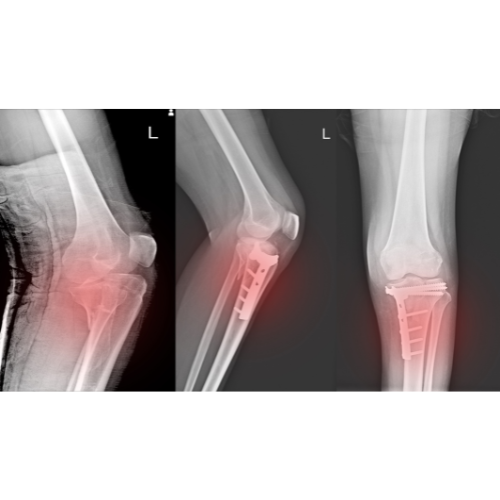
Trauma Fractures
Trauma fractures are bone breaks caused by sudden, high-impact injuries such as road accidents, falls, or sports trauma. They can range from simple cracks to complex, multiple bone fragments and often require urgent medical care to restore alignment, stability, and proper healing. Early treatment helps prevent complications and supports faster recovery and return to normal function.
Open / Compound Fractures
An open or compound fracture is a serious injury where the broken bone pierces through the skin, creating an open wound. Because the bone and tissues are exposed, there is a higher risk of infection and it requires immediate medical attention.
Who Needs It?
ndividuals with a visible bone or deep open wound after an injury
Severe pain, bleeding and swelling following trauma
Road traffic accidents, falls from height, or high-impact injuries
Deformity and inability to move the affected limb
Benefits:
Immediate cleaning of the wound to prevent infection
Proper alignment and stabilization of the broken bone
Promotes safe and effective healing
Reduces risk of long-term complications or disability
Helps restore movement and limb function as early as possible
Simple / Complex Trauma Fractures
Simple fractures involve a clean break in the bone with minimal damage to surrounding tissues, while complex fractures may include multiple bone fragments, joint involvement, or injury to nearby muscles and nerves. These injuries usually result from falls, sports injuries, or road accidents.
Who Needs It?
Sudden severe pain after an injury
Swelling, bruising, or visible deformity of a limb
Inability to bear weight or move the affected area
Injuries caused by high-impact trauma or accidents
Benefits:
Restores proper bone alignment and stability
Reduces pain and prevents improper healing
Protects surrounding muscles, nerves, and joints
Promotes faster and stronger bone healing
Helps patients return safely to normal activities
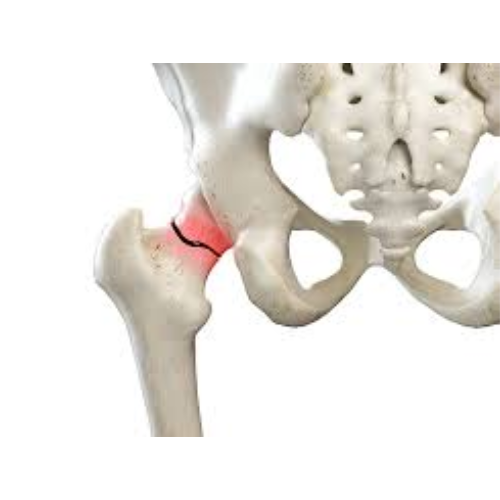
Hip Fractures
Hip fractures are serious breaks in the upper part of the thigh bone near the hip joint, most commonly caused by falls in older adults or high-impact trauma. They lead to severe pain, inability to stand or walk, and require prompt medical or surgical treatment to restore mobility and prevent complications.
Neck of Femur Fracture
A neck of femur fracture is a break in the upper part of the thigh bone just below the hip joint. It is common in older adults after a fall and can severely affect mobility and independence.
Who Needs It?
Elderly individuals after a fall
Severe hip pain and inability to stand or walk
Shortened or externally turned leg
Patients with weak bones due to osteoporosis
Benefits:
Restores hip stability and alignment
Enables early mobilization and walking
Reduces complications from prolonged bed rest
Relieves pain and improves quality of life
Helps regain independence in daily activities
Intertrochanteric Fractures
An intertrochanteric fracture is a break in the upper part of the thigh bone between the neck of the femur and the shaft. It commonly occurs in older adults after a fall and is often associated with osteoporosis.
Who Needs It?
Elderly individuals with a history of falls
Severe hip pain with swelling and bruising
Inability to stand or bear weight on the affected leg
Leg appearing shortened or turned outward
Benefits:
Stabilizes the fracture with strong fixation
Allows early movement and walking
Reduces risk of complications from prolonged bed rest
Promotes proper healing and alignment
Subtrochanteric Fractures
A subtrochanteric fracture is a break in the upper thigh bone just below the hip joint, extending into the strong shaft of the femur. It may occur due to high-impact trauma in younger people or weakened bones in older adults.
Who Needs It?
Severe hip or upper thigh pain after injury
Inability to stand or bear weight
Swelling, deformity, or leg shortening
Patients with osteoporosis or those involved in accidents
Benefits:
Provides strong stabilization of the fracture
Restores proper bone alignment
Enables gradual return to walking
Reduces pain and risk of complications
Supports safe and effective bone healing
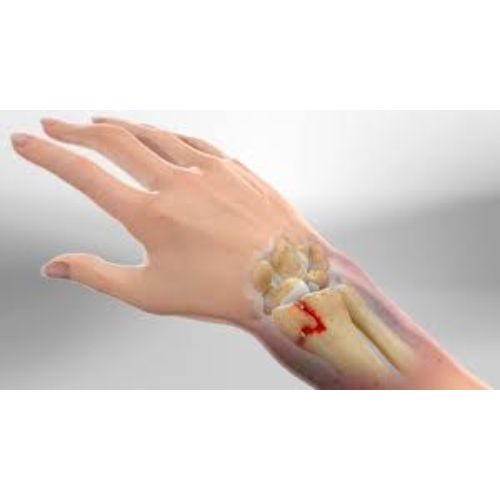
Wrist Fractures
Wrist fractures are breaks in one or more bones around the wrist joint, commonly caused by falls onto an outstretched hand or direct trauma. They can lead to pain, swelling, deformity, and difficulty using the hand.
Distal Radius Fracture
A distal radius fracture is a common type of wrist fracture involving the larger forearm bone near the wrist. It often happens when someone tries to break a fall with their hand.
Who Needs It?
Severe wrist pain after a fall
Swelling and bruising around the wrist
Wrist appearing bent or deformed
Difficulty moving the wrist or fingers
Benefits:
Proper alignment of the wrist joint
Prevents long-term loss of motion
Reduces risk of arthritis and stiffness
Promotes strong and stable healing
Helps restore normal hand function
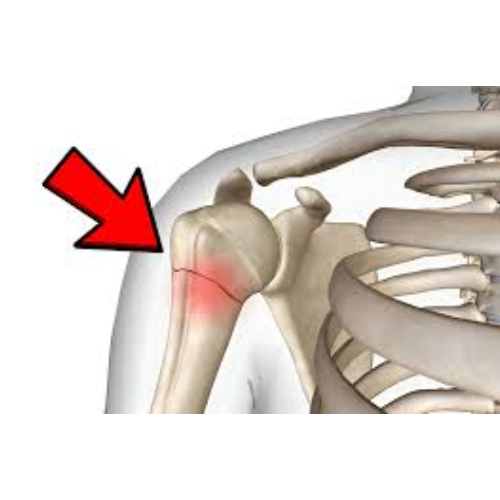
Shoulder Fractures
Shoulder fractures involve breaks in the bones around the shoulder joint, most commonly the upper arm bone (humerus), collarbone or shoulder blade. They usually occur due to falls, accidents or direct trauma and can cause severe pain and limited arm movement.
Who Needs It?
Severe shoulder pain after a fall or injury
Swelling, bruising, or visible deformity
Difficulty lifting or moving the arm
Inability to perform daily activities due to pain
Benefits:
Restores proper bone alignment and stability
Reduces pain and promotes healing
Prevents long-term stiffness and deformity
Helps regain shoulder strength and mobility
Supports safe return to normal activities
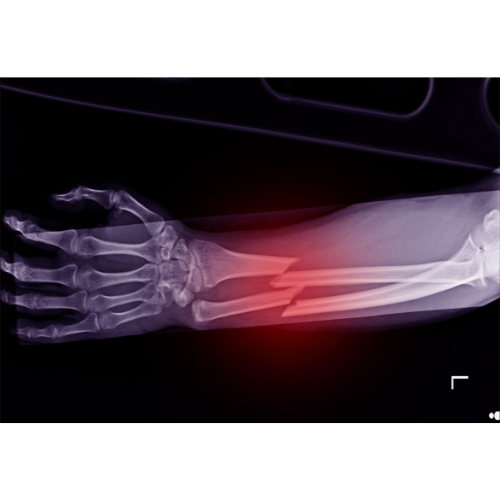
Forearm Fractures
Forearm fractures involve a break in one or both of the forearm bones – the radius and ulna. These injuries commonly occur due to falls, sports injuries or accidents and can affect the ability to rotate the arm and use the hand.
Who Needs It?
Severe pain, swelling or deformity in the forearm after injury
Difficulty turning the palm up or down
Inability to lift or grip objects
Visible bending or abnormal movement of the arm
Benefits:
Restores proper alignment of the bones
Preserves normal arm rotation and function
Reduces pain and swelling
Prevents long-term stiffness or deformity
Enables safe and effective healing with return to daily activities
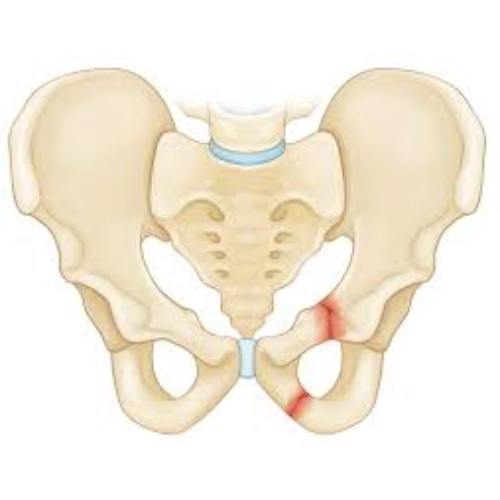
Libia (Iliac) Fractures
A Libia (iliac) fracture is a break in the iliac bone, which forms the upper part of the pelvis. These fractures often occur due to high-impact trauma, such as road accidents, falls from height or severe sports injuries. Treatment may involve rest, pain management, physical therapy or surgery depending on the severity and displacement of the fracture.
Who Needs It?
Patients with severe pelvic or hip pain after trauma.
Individuals who have difficulty walking or bearing weight on the affected side.
Patients with visible deformity or swelling in the pelvic area.
Those with associated injuries that require surgical intervention to stabilize the pelvis.
Benefits:
Reduces pain and prevents complications like pelvic instability or chronic discomfort.
Promotes proper bone healing and restores pelvic alignment.
Enhances mobility and helps return to daily activities safely.
Minimizes the risk of long-term issues such as arthritis, gait problems or nerve damage.
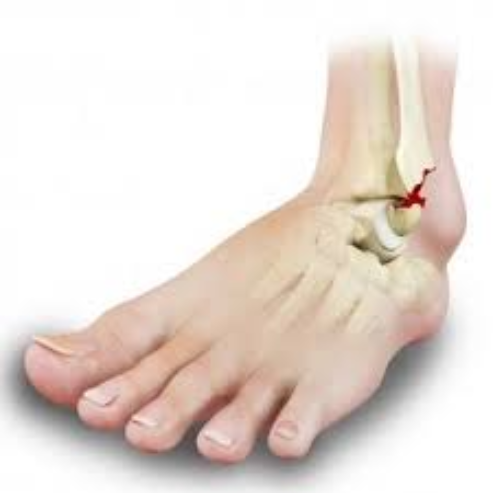
Ankle Fractures
An ankle fracture is a break in one or more bones that make up the ankle joint, usually caused by twisting injuries, falls or accidents. Depending on the severity, it can range from a simple hairline crack to a complex break involving multiple bones and ligaments. Treatment may involve immobilization with a cast or brace, or surgery to realign and stabilize the bones.
Who Needs It?
Individuals experiencing severe pain, swelling or bruising around the ankle after an injury.
Patients unable to bear weight or walk properly on the affected foot.
Those with visible deformity or instability in the ankle joint.
Patients whose fracture requires surgical intervention for proper healing.
Benefits:
Relieves pain and reduces swelling.
Ensures proper bone alignment and healing.
Restores ankle strength, mobility and stability.
Prevents long-term complications like arthritis, chronic pain or deformity.
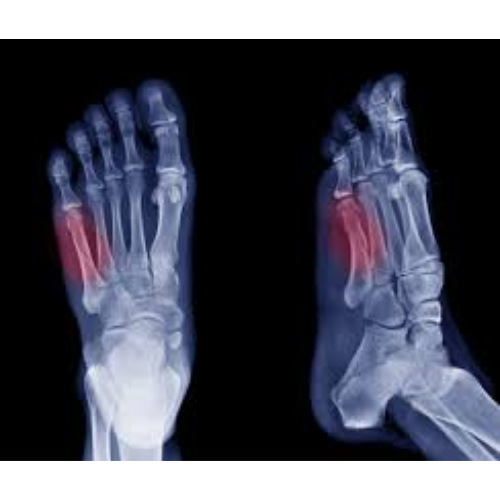
Hand & Foot Fractures
Hand and foot fractures are breaks in the bones of the hands or feet, commonly caused by falls, sports injuries, accidents or direct trauma. They can range from simple cracks to complex fractures involving multiple bones or joints. Treatment varies from splints and casts to surgical fixation, depending on the severity.
Who Needs It?
Individuals with pain, swelling or bruising after injury to the hand or foot.
Patients unable to move, grip or bear weight on the affected limb.
Those with visible deformity, misalignment or instability of the bones.
Patients whose fractures require surgical intervention to restore proper function.
Benefits:
Reduces pain and prevents further injury or deformity.
Ensures proper bone healing and joint alignment.
Restores hand dexterity or foot mobility, allowing return to daily activities.
Minimizes long-term complications such as arthritis, stiffness or chronic pain.
Why Choose Spire Clinic
Experienced Specialists
Multi Surgeon Collaboration
Minimally Invasive Procedures
Schedule A Consultation
Meet with our specialists to discuss your treatment options
Patient Testimonials
Got Questions About Fracture Treatment?
Spire Clinic offers non surgical management, minimally invasive fixation and advanced surgical fracture repair including plates, screws, rods and joint reconstruction when required.
Surgery may be recommended when:
Bones are severely displaced or unstable
Joint surfaces are involved
Fractures fail to heal with conservative care
Open or multiple fractures are present
Nerve or blood vessel injury is suspected
Healing time depends on the bone involved, fracture type and patient age. Most fractures heal within 6 to 12 weeks, though some complex fractures may take longer. Regular follow ups at Spire Clinic help track healing progress.
Spire Clinic offers experienced orthopedic specialists, advanced diagnostics, minimally invasive fracture care and personalised rehabilitation, ensuring safe healing and long term function.