
Comprehensive Spine Care Using Advanced Techniques
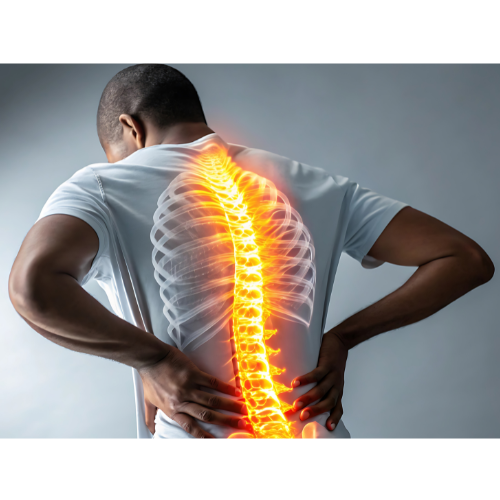
Spine treatments involve medical and surgical care for conditions affecting the cervical (neck), thoracic (upper back) and lumbar (lower back) spine. These conditions may arise due to disc degeneration, nerve compression, injuries, poor posture or age related wear and tear.
At Spire Clinic, we offer comprehensive spine treatments to diagnose and manage neck and back conditions using both non-surgical and minimally invasive surgical techniques. Our spine specialists focus on relieving pain, restoring mobility and improving quality of life through personalised treatment plans.
Combined Experience Metrics
Combined Experience Metrics
Our Orthopedic Specialists
One of the core strengths of Spire Clinic is our multi surgeon collaborative approach to spine care. Complex spine cases are jointly reviewed by Dr. Deepak, Dr. Harish and Dr. Vinit to ensure accurate diagnosis and the most appropriate treatment plan. This approach helps deliver optimal outcomes while avoiding unnecessary surgery.



Dr. Vinit Oswal
MBBS,MS Ortho,FIJR, FASM, Trauma,Joint Replacement and Sports medicine Specialist
Common Spine Conditions We Treat
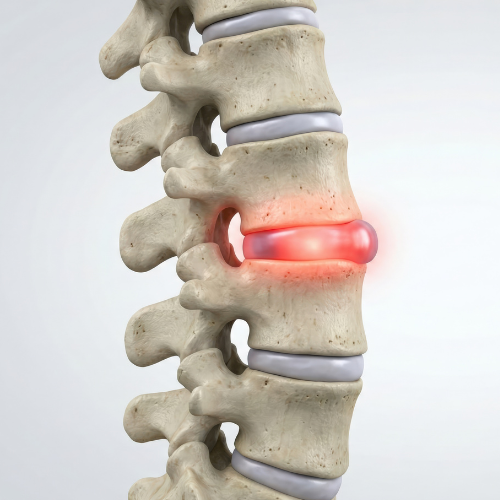
Disc Prolapse (Slipped Disc)
Disc prolapse, commonly called a slipped disc, occurs when the soft inner portion of a spinal disc bulges or leaks out through a tear in its outer layer. This can press on nearby nerves, causing back or neck pain, numbness, tingling, or weakness in the arms or legs.
Who Needs It?
Persistent back or neck pain radiating to arms or legs
Numbness, tingling or weakness in the limbs
Pain worsening with sitting, bending or coughing
Difficulty walking or performing daily activities
Symptoms not improving with rest, medication or physiotherapy
Benefits:
Relieves nerve pressure and reduces pain
Improves mobility and quality of life
Restores strength and sensation
Prevents worsening nerve damage
Minimally invasive options available for faster recovery and less discomfort
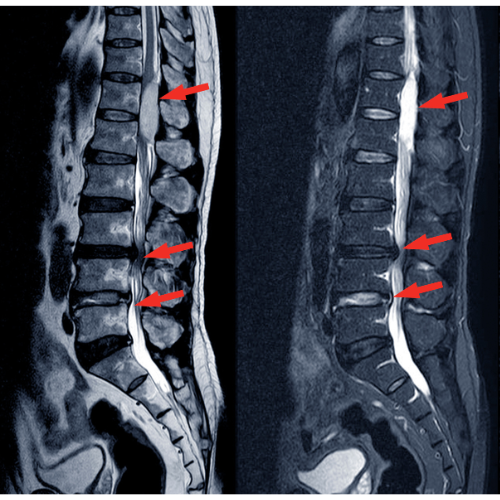
Spinal Canal Stenosis
Spinal canal stenosis is a condition where the space inside the spine narrows, putting pressure on the spinal cord or nerves. It commonly occurs due to age-related changes, disc bulges or thickened ligaments, leading to back or neck pain, numbness or weakness in the arms or legs.
Who Needs It?
Persistent back or neck pain with radiating leg or arm pain
Numbness, tingling, or weakness in the limbs
Difficulty walking long distances (pain improves on sitting or bending forward)
Balance issues or frequent falls
Symptoms not improving with medications, rest, or physiotherapy
Benefits:
Relieves pressure on nerves and spinal cord
Reduces pain, numbness, and weakness
Improves walking ability and mobility
Enhances overall quality of life
Minimally invasive options available for faster recovery
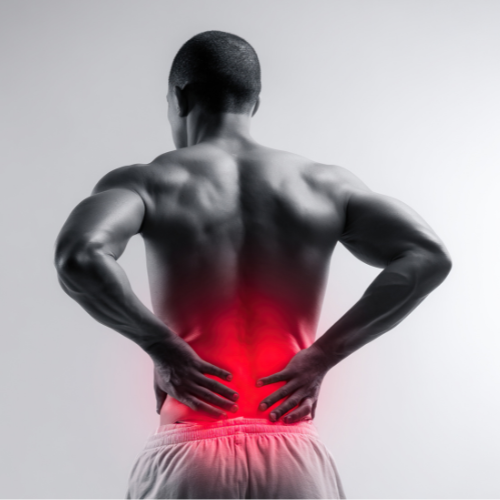
Lower Back Pain
Lower back pain is one of the most common spine problems, caused by muscle strain, disc issues, poor posture, arthritis, or nerve compression. It can range from a dull ache to severe pain that affects daily activities and mobility.
Who Needs It?
Persistent lower back pain lasting more than a few weeks
Pain radiating to the legs or associated with numbness or tingling
Difficulty standing, walking or sitting for long periods
Recurrent back pain episodes affecting work or daily life
Pain not improving with rest, medications, or physiotherapy
Benefits:
Reduces pain and inflammation
Improves mobility and flexibility
Strengthens back muscles to prevent recurrence
Helps return to normal daily activities
Advanced minimally invasive options available when required
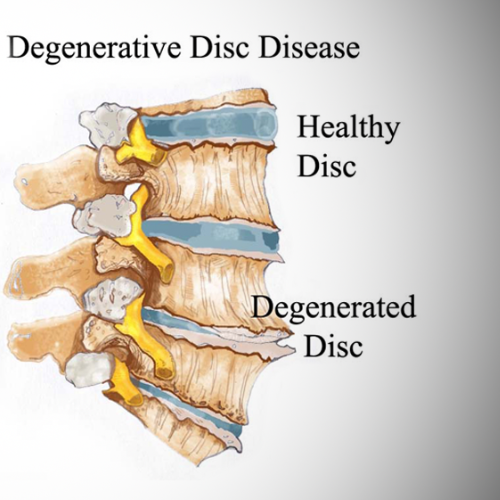
Degenerative Spine Problems
Degenerative spine problems occur due to age-related wear and tear of the spinal discs, joints, and ligaments. This can lead to chronic back or neck pain, stiffness, nerve compression, and reduced mobility over time.
Who Needs It?
Persistent back or neck pain that worsens with activity
Stiffness and reduced flexibility
Pain radiating to arms or legs
Numbness, tingling, or weakness in the limbs
Difficulty walking, standing, or performing daily tasks
Symptoms not improving with medication or physiotherapy
Benefits:
Relieves nerve pressure and reduces pain
Improves spinal stability and movement
Enhances strength and flexibility
Slows progression of spine degeneration
Minimally invasive and advanced surgical options available when required
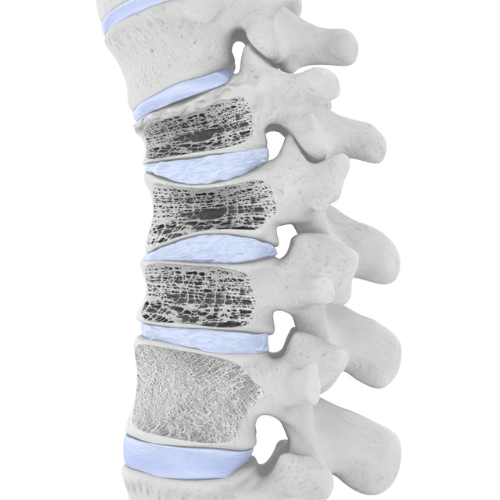
Osteoporosis
Osteoporosis is a condition where bones become weak and fragile due to loss of bone density, making them more prone to fractures. In the spine it can lead to back pain, height loss and compression fractures.
Who Needs It?
Adults over 50, especially postmenopausal women
People with frequent back pain without major injury
History of fractures from minor falls
Stooped posture or gradual height reduction
Individuals with risk factors like long-term steroid use or low calcium intake
Benefits:
Strengthens bones and improves bone density
Reduces the risk of fractures
Helps relieve pain from spine compression fractures
Improves posture and mobility
Enhances overall bone health and quality of life
Why Choose Spire Clinic
Experienced Specialists
Multi Surgeon Collaboration
Minimally Invasive Procedures
Schedule A Consultation
Meet with our specialists to discuss your treatment options
Patient Testimonials
Got Questions About Spine Treatments?
No. Most spine conditions do not require surgery. At Spire Clinic, we always begin with non surgical treatments such as medication, physiotherapy and posture correction. Surgery is recommended only when conservative treatments fail or when nerve damage or instability is present.
Yes. Minimally invasive spine surgery is safe and highly effective. At Spire Clinic, our experienced specialists use advanced surgical tools and imaging guidance to ensure precision, reduce complications and improve outcomes.
Recovery time depends on the type of treatment. Non surgical treatments may provide relief within a few weeks, while minimally invasive spine surgeries typically allow patients to return to daily activities within 4-8 weeks. Our rehabilitation team closely monitors recovery to ensure safe healing.
You should consult a spine specialist if you experience persistent back or neck pain, radiating pain to arms or legs, numbness, tingling, weakness, or difficulty walking. Early evaluation helps prevent progression of spine conditions.
Spire Clinic offers expert spine specialists, advanced diagnostic tools, minimally invasive techniques and personalised care. Our patient first approach ensures accurate diagnosis, effective treatment and faster recovery.